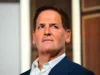
In an unexpected pivot, Donald Trump — at age 79 — reversed his earlier decision to attend the upcoming oral arguments before the Supreme Court of the United States (SCOTUS) regarding his signature tariff policy. Initially, Trump had insisted that his presence at the arguments was “obligatory” and framed the case as “one of the most important and consequential Decisions ever made by the United States Supreme Court.”
However, after counsel and allies warned the move could politicize the hearing and distract justices, Trump announced via a post on his social-media platform that he would **not attend**. He stated: “I will not be going to the Court on Wednesday … in that I do not want to distract from the importance of this Decision.”
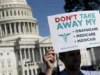
The case centers on whether the president can unilaterally impose sweeping tariffs on goods from dozens of countries under the International Emergency Economic Powers Act or other statutory authority. Trump’s initial announcement of the tariffs had invoked the Act, suggesting a national-emergency basis for large-scale trade restrictions.

Analysts view the change of course as a tactical retreat: by stepping back, Trump avoids becoming a live participant in the courtroom spectacle, thereby reducing the risk that the justices will view the case as politically charged or personally influenced. It also signals that his legal team believes the merits of their argument might carry more weight without him physically present.
The scheduling of the oral argument arrives at a critical juncture for Trump’s broader trade and economic agenda, which includes tariffs on products from Brazil, India and others tied to geopolitical alignments. If the Court rules against his administration, it could undercut his trade lever for punishing or incentivising foreign partners.
The reversal aligns with a broader pattern: while Trump frequently made bold public campaigns around policy rolls-out, his legal team appears increasingly cautious about his direct involvement in high-stakes litigation before the Court. The decision to step away may reflect recognition of how the optics of his presence could influence a court already viewed through a partisan lens.
For the justices, the case offers a chance to clarify the scope of presidential authority in trade and national-emergency contexts — an area fraught with implications for future presidents of both parties. Whether Trump is in the courtroom or not, his administration’s policy and the surrounding legal challenge will continue to test the bounds of executive power and separation of powers doctrine.
—
Why It Matters
* 🏛️ **Executive presence and Court optics:** A president physically attending oral arguments is rare; Trump’s reversal reduces the appearance of pressure or influence on the justices.
* 📉 **High-stakes trade policy:** The outcome may determine whether Trump can continue using tariffs as a policy tool without statutory amendment.
* ⚠️ **Legal strategy revealed:** The pivot shows the administration’s growing awareness of the courtroom dynamics and how presidential involvement can backfire.
* 🔍 **Precedent for presidential litigation behavior:** If the Court accepts the case without Trump’s presence, it may set expectations about when presidents should intervene in legal proceedings.
* 🌍 **Global implications:** The tariffs under challenge involve major trade partners; the ruling could reshape U.S. trade leverage and international economic relations.

Key Legal Outcomes
* 📝 Trump’s decision to skip the oral argument removes his personal presence as a factor in the justices’ decision-making.
* 🏛️ The Court will consider whether the president may unilaterally impose sweeping tariffs under the International Emergency Economic Powers Act or similar statute.
* 🧩 A ruling against the administration could limit the executive branch’s use of national-emergency authority for trade measures.
* 🧭 A ruling in favour would strengthen the president’s hand in trade policy and national-emergency economic action.
* 🎯 The case may clarify the boundary between executive discretion and statutory limitation in the trade arena.
—